As people grow older, their healthcare needs often change. Managing chronic conditions, recovering from surgery, maintaining mobility, or completing everyday activities may require additional support that becomes difficult to manage alone. For many families, deciding how to provide that care is one of the most important healthcare decisions they will make.
One option that continues to grow in popularity is home health care. Instead of relocating to a nursing home or assisted living facility, many seniors can receive professional medical and therapeutic services in the comfort of their own homes. This approach allows older adults to access quality healthcare while continuing to live in the familiar environment they know and love.
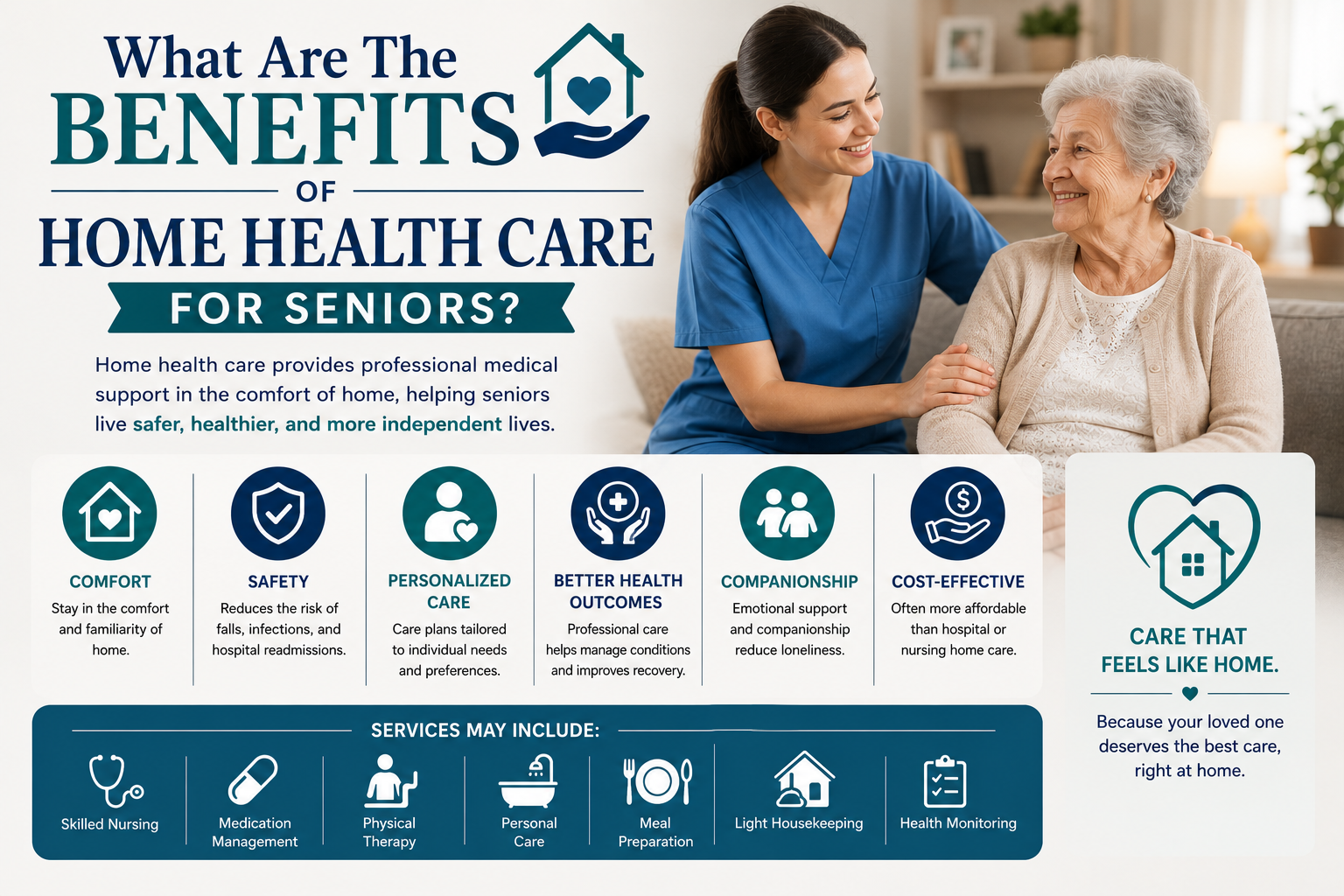
For families asking, “What are the benefits of home health care for seniors?”, the answer extends far beyond convenience. Home health care combines professional clinical support with personalized care, helping seniors maintain their independence, improve their quality of life, and receive healthcare that is tailored to their individual needs.
What Is Home Health Care?
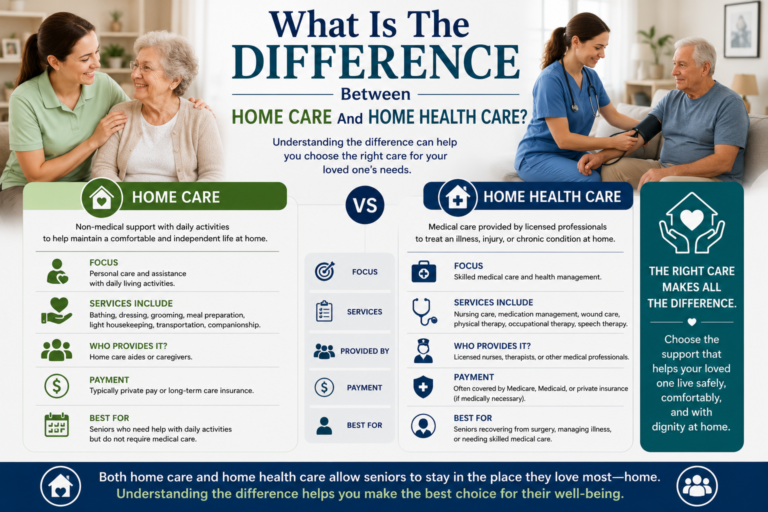
Home health care is a specialized healthcare service that delivers skilled medical care and rehabilitation directly in a patient’s home. Unlike non-medical home assistance, home health care is provided by licensed healthcare professionals who work closely with physicians to develop personalized care plans based on each patient’s condition and recovery goals.
Depending on a senior’s medical needs, home health care services may include skilled nursing, physical therapy, occupational therapy, speech therapy, medication management, wound care, health monitoring, and patient education. Every care plan is designed to address the individual’s specific health concerns while supporting long-term independence and overall well-being.
| Home Health Care Service | How It Supports Seniors |
| Skilled Nursing | Provides professional medical care, medication management, and health monitoring. |
| Physical Therapy | Helps improve strength, balance, mobility, and recovery after illness or injury. |
| Occupational Therapy | Assists seniors in performing everyday activities safely and independently. |
| Speech Therapy | Supports communication and swallowing difficulties following illness or neurological conditions. |
| Health Monitoring | Tracks recovery progress, chronic conditions, and changes in overall health. |
| Patient & Family Education | Helps patients and caregivers better understand treatment plans and ongoing healthcare needs. |
Receiving these services at home allows seniors to benefit from professional medical support while remaining in a familiar environment, creating a care experience that feels both comfortable and personalized.
Why More Seniors Are Choosing Home Health Care
Today’s seniors increasingly prefer to age in place rather than move into long-term care facilities. Remaining at home allows them to preserve the routines, independence, and lifestyle they have built over many years. Familiar surroundings often provide a greater sense of comfort, confidence, and emotional security during times when health challenges arise.
Home health care makes this possible by bringing professional healthcare directly to the patient instead of requiring the patient to adapt to a new living environment. This approach not only reduces the stress associated with relocation but also allows seniors to continue participating in their daily routines while receiving the care they need.
As healthcare continues shifting toward more patient-centered models, home health care has become an increasingly valuable option for families seeking quality care that supports both medical needs and overall quality of life.
Benefit #1: Greater Comfort In A Familiar Environment
One of the greatest advantages of home health care is that seniors receive professional medical support without leaving the place they know best. Familiar surroundings can have a meaningful impact on emotional well-being, especially for individuals recovering from illness, surgery, or managing long-term health conditions.
Being surrounded by personal belongings, established routines, and nearby family members often creates a sense of stability that cannot always be replicated in institutional care settings. Many seniors feel more relaxed, confident, and engaged in their recovery when they remain in their own homes.
Home health care allows patients to continue living in an environment that supports both physical recovery and emotional comfort, making the overall care experience more positive for both seniors and their families.
Benefit #2: Personalized Care Designed Around Individual Needs
No two seniors have the same medical history, lifestyle, or recovery goals. Home health care recognizes these differences by creating individualized care plans that focus on the unique needs of each patient rather than following a standardized approach.
Healthcare professionals evaluate the patient’s medical condition, home environment, daily routines, and personal goals before developing a care plan. As a result, services can be adjusted over time as health conditions improve or new needs arise.
| Personalized Care Focus | Why It Matters |
| Medical Conditions | Care is tailored to each patient’s diagnosis and overall health. |
| Recovery Goals | Therapy and nursing services are designed around individual rehabilitation objectives. |
| Daily Routine | Care plans fit naturally into the patient’s lifestyle whenever possible. |
| Family Participation | Loved ones can remain actively involved throughout the care process. |
| Home Environment | Recommendations are adapted to the patient’s living situation for greater safety and comfort. |
This individualized approach helps healthcare professionals deliver care that is more responsive, more effective, and better aligned with each senior’s overall well-being.
Benefit #3: Supporting Independence And Everyday Living
Maintaining independence is one of the highest priorities for many older adults. Even when additional healthcare support becomes necessary, most seniors want to remain involved in their daily routines and continue making decisions about their own lives.
Home health care is designed to strengthen independence rather than replace it. Therapists and skilled nurses work with patients to improve mobility, increase strength, manage medications safely, and perform everyday activities with greater confidence. Rather than encouraging dependence, the goal is to help seniors remain as active and self-sufficient as possible.
By supporting independence while providing professional medical care, home health care contributes not only to physical health but also to emotional confidence and overall quality of life.
Benefit #4: Stronger Family Involvement
Family members play an important role in supporting older adults throughout their healthcare journey. One of the unique advantages of home health care is that it encourages greater collaboration between healthcare professionals and loved ones.
Because care is delivered in the home, family members often have more opportunities to participate in discussions, understand treatment plans, observe progress, and communicate directly with the care team. This ongoing collaboration helps create a stronger support system while ensuring everyone involved shares the same goals for the patient’s care.
When families and healthcare professionals work together, seniors often benefit from more coordinated, personalized, and consistent care.
Benefit #5: A Safer Transition After Hospital Discharge
Returning home after a hospital stay can be one of the most challenging stages of recovery for many seniors. Although hospitalization may have addressed the immediate medical concern, recovery often continues long after discharge.
Home health care helps bridge the gap between hospital treatment and full recovery by providing continued clinical support in the home. Skilled nursing visits, physical therapy, medication management, wound care, and ongoing health assessments help ensure that recovery progresses safely while reducing unnecessary complications.
This continuity of care provides reassurance for both patients and families, helping seniors regain confidence as they recover in the comfort of their own homes.
Benefit #6: Greater Convenience For Seniors And Families
One of the biggest advantages of home health care is the convenience it provides. As people age, traveling to multiple medical appointments can become physically exhausting and logistically challenging. Simple tasks like arranging transportation, coordinating schedules, or waiting for appointments may add unnecessary stress for both seniors and their families.
Home health care removes many of these obstacles by bringing skilled healthcare professionals directly to the patient’s home. Instead of spending valuable time traveling, seniors can receive the care they need in a familiar and comfortable setting. This allows appointments to fit more naturally into daily routines while reducing the physical demands associated with frequent travel.
For many families, this convenience becomes one of the most valuable aspects of home health care because it helps ensure seniors continue receiving consistent medical attention without disrupting their everyday lives.
Benefit #7: Access To Professional Skilled Nursing Care
Many people assume that home health care simply involves companionship or basic daily assistance. In reality, modern home health care often includes highly skilled clinical services provided by licensed healthcare professionals.
Skilled nurses play an essential role in monitoring health conditions, managing recovery, and providing medical care that would otherwise require frequent visits to healthcare facilities. Their expertise allows patients to receive professional medical oversight while remaining safely at home.
Common skilled nursing services may include:
| Skilled Nursing Service | How It Supports Seniors |
| Comprehensive Health Assessments | Evaluates overall health and monitors changes in condition. |
| Medication Management | Ensures medications are taken safely and correctly. |
| Chronic Disease Monitoring | Helps manage long-term health conditions through ongoing observation. |
| Wound Care | Supports healing after surgery or injury while reducing complications. |
| Recovery Evaluations | Tracks progress and communicates updates to physicians when necessary. |
Having professional nursing care available at home provides reassurance for both patients and their families while supporting better continuity of care.
Why Home Health Care Continues To Grow Across The United States
Home health care has become one of the fastest-growing segments of the healthcare industry, and several important factors continue driving this demand.
America’s aging population means more individuals require ongoing healthcare support while still wishing to remain independent. At the same time, medical advancements now allow many treatments and rehabilitation services to be delivered safely outside traditional hospital settings.
Families are also looking for care solutions that balance professional medical support with the comfort of home. Rather than choosing between complete independence and full-time residential care, home health care offers a flexible middle ground that addresses both healthcare needs and personal preferences.
As healthcare continues evolving toward more patient-centered care models, home health services are expected to become even more important in helping seniors maintain both their health and independence.
Benefit #8: Better Chronic Disease Management
Many older adults live with chronic medical conditions that require consistent monitoring and long-term care. Successfully managing these conditions often depends on regular assessments, medication management, lifestyle guidance, and communication between healthcare providers.
Home health care makes ongoing disease management more convenient by bringing professional care directly into the patient’s home. Instead of relying solely on occasional office visits, healthcare professionals can regularly monitor progress, identify potential concerns early, and help patients stay on track with their treatment plans.
Common conditions supported through home health care include:
- Diabetes
- Heart disease
- Chronic Obstructive Pulmonary Disease (COPD)
- Arthritis
- High blood pressure
- Stroke recovery
Rather than reacting only when symptoms worsen, home health professionals work proactively to support long-term health and improve overall quality of life.
Benefit #9: Helping Reduce Hospital Readmissions
Returning home after hospitalization is often one of the most critical stages of recovery. During this period, patients may experience new medications, reduced mobility, fatigue, or uncertainty about managing their care independently.
Without proper support, these challenges can sometimes lead to avoidable complications or hospital readmissions.
Home health care helps bridge this transition by providing continued medical oversight during recovery. Healthcare professionals can identify potential concerns early, monitor healing, and help patients follow discharge instructions more effectively.
Some of the common challenges addressed through home health care include:
| Recovery Challenge | How Home Health Care Helps |
| Medication Confusion | Nurses help patients understand and manage prescriptions correctly. |
| Limited Mobility | Therapists assist with safe movement and rehabilitation exercises. |
| Missed Follow-Up Care | Ongoing home visits help ensure recovery remains on track. |
| Recovery Complications | Regular monitoring allows concerns to be identified before they become more serious. |
This additional layer of professional support often creates a smoother recovery process while providing greater peace of mind for families.
Benefit #10: Physical Therapy In The Comfort Of Home
Mobility is closely connected to independence. Whether recovering from surgery, injury, illness, or hospitalization, many seniors benefit from physical therapy designed to improve movement and rebuild strength.
Receiving therapy at home provides several unique advantages. Therapists can observe how patients move within their actual living environment and recommend practical strategies that directly improve everyday activities.
Home-based physical therapy may focus on:
- Improving balance
- Building strength
- Preventing falls
- Increasing mobility
- Supporting safe movement throughout the home
Because therapy occurs where patients perform their daily activities, recommendations are often more personalized and immediately applicable. This practical approach helps seniors regain confidence while supporting greater independence.
Benefit #11: Occupational Therapy Supports Everyday Independence
Recovering physically is only one part of maintaining independence. Everyday activities such as getting dressed, preparing meals, bathing, or moving safely throughout the home can become challenging after illness or injury.
Occupational therapists focus specifically on helping seniors perform these essential daily activities more safely and confidently. Their goal is not simply rehabilitation but improving a person’s ability to live as independently as possible.
Occupational therapy may help patients with:
| Daily Activity | How Occupational Therapy Helps |
| Dressing | Develops techniques that make dressing easier and safer. |
| Bathing | Improves safety while maintaining personal hygiene. |
| Meal Preparation | Supports confidence when preparing food independently. |
| Household Mobility | Teaches safer movement throughout the home. |
| Personal Care | Helps patients complete daily routines with greater independence. |
This individualized support allows many seniors to continue participating in everyday life while reducing reliance on others.
Benefit #12: Creating A Safer Home Environment
As people age, even familiar homes may present new safety challenges. Reduced mobility, balance changes, and chronic health conditions can increase the risk of falls and injuries.
Home health professionals evaluate the living environment to identify potential hazards while recommending practical improvements that enhance safety without disrupting daily routines.
These recommendations may include:
- Fall prevention strategies
- Safe mobility techniques
- Home safety assessments
- Medication management support
- Emergency preparedness planning
By addressing risks before accidents occur, home health care helps seniors remain safer while continuing to live independently.
Benefit #13: Supporting Emotional Well-Being And Quality Of Life
Good healthcare extends beyond treating physical conditions. Emotional health plays an equally important role in overall well-being, particularly for older adults who value familiarity, routine, and meaningful social connections.
Remaining at home allows seniors to continue enjoying the environment where they feel most comfortable while maintaining relationships with neighbors, friends, and family members.
Many patients experience greater emotional comfort because they can continue following familiar routines, spending time with loved ones, and participating in daily activities that provide purpose and stability.
When physical care is combined with emotional support, home health care contributes to a higher overall quality of life.
Benefit #14: Valuable Support For Family Caregivers
Family caregivers often devote significant time and energy to supporting aging loved ones. While caregiving can be deeply rewarding, it also comes with physical, emotional, and logistical challenges.
Home health care helps ease this responsibility by allowing licensed healthcare professionals to share portions of the patient’s care while keeping family members actively involved in important decisions.
Professional home health services provide caregivers with:
- Clinical guidance
- Shared caregiving responsibilities
- Better care coordination
- Education and training
- Greater confidence and peace of mind
Supporting caregivers ultimately benefits seniors as well, creating a stronger and more sustainable care environment for everyone involved.
Why Aging In Place Continues To Be The Preferred Choice
The concept of “aging in place” has become increasingly important as more seniors express a desire to remain in their own homes for as long as possible.
Home provides familiarity, comfort, independence, and emotional security. Rather than adapting to a completely new environment, seniors can continue living where they feel most connected while receiving professional healthcare support tailored to their needs.
Home health care makes aging in place a realistic option for many families by combining skilled medical services with compassionate, personalized care delivered where patients feel most comfortable.
Choosing The Right Home Health Care Provider
Selecting a home health care provider is an important decision that can significantly influence a senior’s overall experience. Families should look beyond simply comparing services and instead evaluate the provider’s ability to deliver compassionate, personalized, and clinically appropriate care.
Some important factors to consider include:
| What To Evaluate | Why It Matters |
| Clinical Expertise | Ensures experienced healthcare professionals deliver quality care. |
| Personalized Care Plans | Services should reflect each patient’s unique medical needs and goals. |
| Communication | Families should receive regular updates and clear guidance. |
| Reputation | Positive patient experiences often reflect consistent quality of care. |
| Available Services | Providers should offer the specific therapies and nursing services required. |
Taking time to evaluate these factors helps families choose a provider that supports both medical outcomes and long-term quality of life.
Sunny Skies Healthcare: Compassionate Care Delivered At Home
At Sunny Skies Healthcare, we understand that every senior’s healthcare journey is different. Some patients require short-term recovery support after hospitalization, while others benefit from ongoing skilled nursing, therapy services, or chronic disease management.
Our approach focuses on delivering personalized home health care that allows seniors to remain safe, comfortable, and independent while receiving professional clinical support in the place they call home.
Whether patients need skilled nursing, rehabilitation services, chronic condition management, patient education, or family support, our goal is always the same—to provide compassionate, high-quality care that promotes better health, greater independence, and an improved quality of life for every individual we serve.
Frequently Asked Questions
What is home health care?
Home health care is a healthcare service that delivers professional medical care directly in a patient’s home. Depending on a patient’s needs, services may include skilled nursing, physical therapy, occupational therapy, speech therapy, medication management, health monitoring, and patient education. The goal is to provide high-quality healthcare while allowing patients to recover or manage ongoing conditions in a familiar environment.
Who can benefit from home health care?
Home health care can benefit seniors recovering from surgery, illness, or injury, as well as individuals living with chronic medical conditions. It is also valuable for patients who need ongoing skilled nursing, rehabilitation services, or additional support to remain safe and independent at home.
What services are included in home health care?
Home health care services vary based on each patient’s care plan but commonly include skilled nursing, physical therapy, occupational therapy, speech therapy, wound care, medication management, chronic disease monitoring, patient education, and recovery support. Services are tailored to meet each individual’s unique healthcare needs.
Can home health care help reduce hospital readmissions?
Home health care plays an important role after hospital discharge by providing continued monitoring, medication support, rehabilitation, and follow-up care. By identifying potential concerns early and helping patients follow their recovery plans, home health services may help reduce unnecessary hospital readmissions while supporting a smoother recovery.
Is home health care personalized?
Yes. One of the biggest advantages of home health care is that every care plan is individualized. Healthcare professionals evaluate the patient’s medical condition, recovery goals, home environment, and daily routine before developing a care plan that fits their specific needs. As those needs change, the care plan can be adjusted accordingly.
Does home health care support family caregivers?
Absolutely. Home health care not only benefits patients but also provides valuable support for family caregivers. Professional healthcare teams offer clinical guidance, education, care coordination, and shared caregiving responsibilities, helping reduce stress while giving families greater confidence and peace of mind.
What does “aging in place” mean?
Aging in place refers to the ability of older adults to continue living safely and independently in their own homes as they grow older. Home health care helps make this possible by providing professional medical services that allow seniors to receive quality care without leaving the comfort and familiarity of their home.
Can physical therapy be provided at home?
Yes. Licensed physical therapists frequently provide rehabilitation services in the patient’s home. Home-based therapy allows therapists to design exercises based on the patient’s actual living environment, helping improve strength, balance, mobility, fall prevention, and overall independence in everyday activities.
Why do many seniors prefer home health care?
Many seniors prefer home health care because it allows them to remain in familiar surroundings while receiving professional healthcare services. Staying at home helps preserve daily routines, maintain independence, stay connected with family, and enjoy greater emotional comfort throughout the recovery or long-term care process.
How should families choose a home health care provider?
Choosing the right provider involves evaluating several important factors, including clinical expertise, available services, communication practices, personalized care planning, reputation, and experience. A trusted home health provider should deliver compassionate, patient-centered care while working closely with both patients and their families throughout the care journey.
Conclusion
Home health care has become one of the most valuable healthcare options for seniors who wish to remain safe, independent, and comfortable while receiving professional medical support. By bringing skilled nursing, rehabilitation services, chronic disease management, and personalized care directly into the home, patients can often experience a smoother recovery and a higher quality of life without leaving the environment they know best.
Beyond the medical benefits, home health care also strengthens family involvement, supports caregivers, promotes aging in place, and helps create a more personalized healthcare experience. As the demand for senior care continues to grow, home-based healthcare is playing an increasingly important role in helping older adults maintain both their health and their independence.
At Sunny Skies Healthcare, we believe quality care begins with compassion, personalized attention, and a commitment to helping every patient achieve the best possible outcomes. Whether recovering after hospitalization, managing a chronic condition, or requiring ongoing skilled nursing and therapy services, our team is dedicated to providing professional home health care that allows seniors to live safely, comfortably, and confidently in the place they call home.