
Mental health conversations have become more common in recent years.
People are talking more openly about anxiety.
Depression.
Stress.
Burnout.
Sleep problems.
Emotional wellness.
Despite this growing awareness, many people still aren’t entirely sure what a psychiatrist actually does.
In fact, one of the most common questions asked online is:
“What does a psychiatrist do, and when should I see one?”
For many individuals, seeking mental health support can feel intimidating.
Some worry they will be judged.
Others believe psychiatric care is only for severe mental illness.
Many simply don’t understand how psychiatric treatment works.
The reality is quite different.
Psychiatrists help people navigate a wide range of emotional, behavioral, and mental health challenges that affect daily life.
Just as individuals consult medical specialists for physical health concerns, psychiatrists specialize in understanding, diagnosing, and treating mental health conditions.
Mental health is an essential part of overall well-being.
When emotional health suffers, it often affects relationships, work performance, sleep quality, physical health, and quality of life.
Understanding the role of psychiatry can help people make informed decisions about their healthcare and recognize when professional support may be beneficial.
What Is A Psychiatrist?
A psychiatrist is a medical doctor who specializes in mental health, emotional health, and behavioral conditions.
Unlike some other mental health professionals, psychiatrists complete medical school and extensive specialized psychiatric training.
This medical background allows psychiatrists to understand the relationship between:
• Brain function
• Physical health
• Mental health
• Medications
• Neurological processes
Because they are physicians, psychiatrists can evaluate both psychological and biological factors that may contribute to symptoms.
Their training enables them to provide comprehensive mental health care that considers the whole person.
Why Mental Health Care Matters
Mental health influences nearly every aspect of life.
When emotional wellness is compromised, people may experience difficulties with:
• Relationships
• Family life
• Career performance
• Physical health
• Sleep
• Motivation
• Decision-making
• Stress management
Many individuals attempt to manage symptoms alone for extended periods.
Unfortunately, untreated mental health conditions can sometimes worsen over time.
Seeking support early often improves outcomes and helps individuals regain balance more effectively.
Common Conditions Psychiatrists Treat
Psychiatrists work with people experiencing a wide variety of mental health concerns.
Treatment is not limited to severe psychiatric disorders.
Many patients seek care for common challenges that affect millions of people every year.
Depression
Depression is one of the most frequently treated mental health conditions.
Symptoms may include:
• Persistent sadness
• Loss of interest
• Fatigue
• Changes in sleep
• Appetite changes
• Difficulty concentrating
• Feelings of hopelessness
Depression affects people differently and often requires individualized treatment.
Anxiety Disorders
Anxiety can extend far beyond everyday stress.
Individuals may experience:
• Excessive worry
• Panic attacks
• Physical tension
• Restlessness
• Sleep difficulties
• Difficulty concentrating
Anxiety disorders are highly treatable with appropriate care.
Obsessive-Compulsive Disorder (OCD)
OCD involves unwanted thoughts and repetitive behaviors that can interfere with daily life.
Symptoms vary widely but may significantly impact functioning and emotional well-being.
Sleep Disorders
Sleep and mental health are closely connected.
Psychiatrists often evaluate sleep-related concerns because poor sleep can contribute to emotional challenges and psychiatric symptoms.
Trauma-Related Conditions
Traumatic experiences can have lasting emotional effects.
Professional support can help individuals process experiences and develop healthy coping strategies.
Mood Disorders
Psychiatrists also evaluate and treat various mood-related conditions that affect emotional regulation and daily functioning.
Psychiatrist Vs Therapist: What’s The Difference?
One of the most common sources of confusion involves understanding the difference between psychiatrists and therapists.
While both support mental health, their roles differ.
Psychiatrists
Psychiatrists are medical doctors who:
• Diagnose mental health conditions
• Conduct psychiatric evaluations
• Manage medications
• Develop treatment plans
• Monitor treatment progress
• Address biological and neurological factors
Therapists
Therapists primarily focus on:
• Counseling
• Talk therapy
• Emotional processing
• Coping skills
• Behavioral strategies
Many individuals benefit from working with both professionals as part of a comprehensive treatment approach.
What Happens During A First Psychiatric Appointment?
Many people feel nervous before their first appointment.
This is completely normal.
The first visit is designed to help the psychiatrist understand the individual’s unique situation.
Topics often discussed include:
Current Symptoms
The psychiatrist may ask about:
• Mood
• Anxiety
• Sleep
• Stress
• Daily functioning
Medical History
Physical health can influence mental health.
Understanding overall health provides important context.
Family History
Family mental health history may provide useful insights.
Lifestyle Factors
Discussions may include:
• Sleep habits
• Nutrition
• Exercise
• Relationships
• Work environment
The goal is to gather information and create an individualized treatment plan.
Signs You Should Consider Seeing A Psychiatrist
Many people wonder whether their symptoms justify professional support.
There is no single rule.
However, several signs may indicate that a psychiatric evaluation could be beneficial.
Persistent Emotional Distress
When emotional symptoms continue for weeks or months, professional guidance may help.
Difficulty Functioning
Mental health concerns sometimes affect:
• Work performance
• School performance
• Relationships
• Daily responsibilities
Significant Anxiety
Constant worry or panic symptoms should not be ignored.
Changes In Sleep
Persistent sleep difficulties often accompany mental health challenges.
Loss Of Interest
Losing interest in activities that once brought enjoyment can be an important warning sign.
Feeling Overwhelmed
When stress feels impossible to manage alone, additional support may provide relief.
Seeking help early often leads to better outcomes.
The Connection Between Physical And Mental Health
Modern psychiatry recognizes that mental and physical health are deeply interconnected.
Mental health conditions may contribute to:
• Fatigue
• Headaches
• Digestive issues
• Sleep problems
• Chronic pain
Likewise, physical health challenges can influence emotional well-being.
Effective psychiatric care often considers both aspects simultaneously.
This holistic perspective helps create more comprehensive treatment plans.
Why Mental Health Conditions Often Go Untreated
Despite increasing awareness, many people delay seeking care.
Common reasons include:
• Stigma
• Fear
• Misunderstanding
• Lack of information
• Belief that symptoms will disappear on their own
Unfortunately, delaying treatment can sometimes allow symptoms to become more severe.
Education plays an important role in helping people understand that mental health care is a normal and valuable part of healthcare.
The Growing Importance Of Mental Wellness
Society has begun recognizing something mental health professionals have known for decades.
Mental wellness affects every area of life.
Healthy minds contribute to:
• Better relationships
• Greater productivity
• Improved resilience
• Stronger physical health
• Higher quality of life
As awareness continues growing, more individuals are seeking proactive support rather than waiting for symptoms to become overwhelming.
This shift represents an important step forward in overall healthcare.
How Psychiatric Evaluations Help Create Personalized Care
One of the most important parts of psychiatric treatment is the psychiatric evaluation.
Many people assume an evaluation is simply a diagnosis appointment.
In reality, it is much more comprehensive.
A psychiatric evaluation helps mental health professionals understand:
• Symptoms
• Personal history
• Medical conditions
• Lifestyle factors
• Treatment goals
• Emotional challenges
Every person’s mental health journey is unique.
Two people with similar symptoms may require completely different treatment approaches.
That is why personalized evaluations are such an important part of quality psychiatric care.
The goal is not simply to identify a condition.
The goal is to understand the individual behind the symptoms.
Why Accurate Diagnosis Matters
Mental health conditions can sometimes share similar symptoms.
For example:
Anxiety And Depression
Both may involve:
• Difficulty concentrating
• Sleep disturbances
• Fatigue
• Irritability
However, the underlying causes and treatment strategies may differ significantly.
Stress And Anxiety Disorders
Everyone experiences stress.
But chronic anxiety often extends beyond normal stress responses and may require professional intervention.
Sadness And Depression
Temporary sadness is a normal emotional response.
Clinical depression involves persistent symptoms that impact daily functioning.
Accurate diagnosis helps ensure individuals receive the most appropriate treatment and support.
Understanding Medication Management
Medication management is one of the services many psychiatrists provide.
While medication is not necessary for every patient, it can play an important role in treatment for some individuals.
Psychiatrists carefully evaluate:
• Symptom severity
• Medical history
• Existing medications
• Treatment goals
• Potential benefits and risks
The purpose of medication management is not simply to prescribe medication.
It is an ongoing process focused on achieving the best possible outcomes while monitoring effectiveness and safety.
Common Misconceptions About Psychiatric Medication
There are many myths surrounding psychiatric medications.
Some people believe medication changes personality.
Others fear losing control.
In reality, treatment plans are highly individualized.
The goal is often to help reduce symptoms that interfere with daily life so individuals can function more effectively and feel more like themselves.
Psychiatrists regularly monitor progress and make adjustments when needed.
The Role Of Therapy In Mental Health Treatment
While psychiatrists often focus on diagnosis and medical treatment, therapy remains a valuable component of care.
Therapy can help individuals:
• Understand emotional patterns
• Build coping skills
• Improve communication
• Strengthen relationships
• Develop resilience
• Manage stress
For many patients, a combination of psychiatric care and therapy produces the strongest results.
These approaches often complement one another and address both biological and psychological factors.
What Is Deep TMS Therapy?
Mental health treatment continues evolving as new technologies emerge.
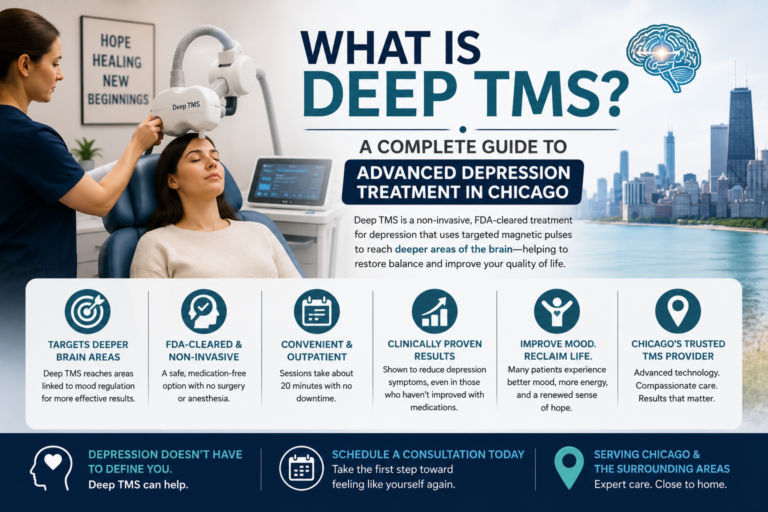
One innovation that has received significant attention is Deep Transcranial Magnetic Stimulation (Deep TMS).
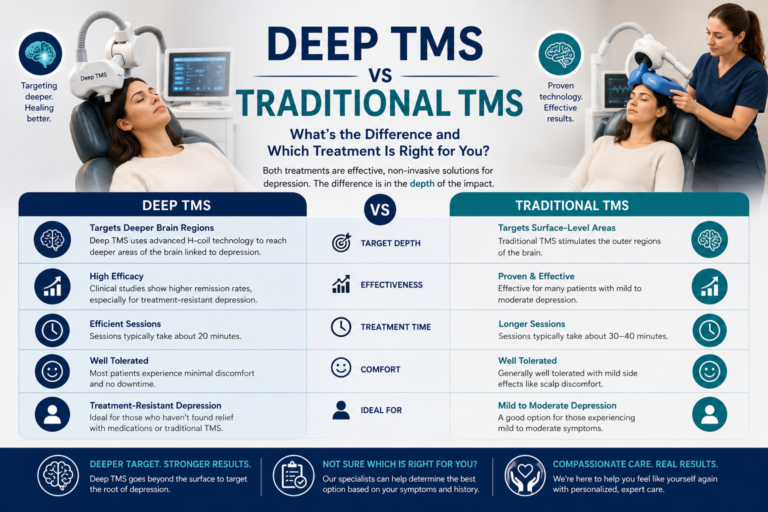
Deep TMS is a non-invasive treatment that uses magnetic pulses to stimulate targeted regions of the brain associated with mood regulation.
Unlike surgical procedures, Deep TMS does not involve:
• Incisions
• Anesthesia
• Hospital stays
• Recovery downtime
Patients remain awake and alert throughout treatment.
After a session, individuals can typically return to normal daily activities.
This convenience has made Deep TMS an increasingly important option within modern psychiatric care.
How Deep TMS Works
The brain contains complex networks involved in emotions, behavior, and mood regulation.
Deep TMS uses carefully targeted magnetic stimulation to influence these neural pathways.
During treatment:
• A specialized helmet-like device is positioned comfortably on the patient’s head
• Magnetic pulses are delivered to targeted brain regions
• Sessions are conducted under professional supervision
• Progress is monitored throughout treatment
The procedure is non-invasive and designed to fit within normal daily schedules.
Many patients appreciate the ability to continue working, attending school, or managing responsibilities while receiving treatment.
Potential Benefits Of Deep TMS For Depression
Deep TMS has become an important treatment option for individuals experiencing depression.
Potential benefits may include:
• Reduction in depressive symptoms
• Improved mood
• Increased motivation
• Better daily functioning
• Enhanced quality of life
• Non-invasive treatment
• No anesthesia required
For individuals who have not experienced sufficient improvement through traditional approaches alone, Deep TMS may provide an additional treatment pathway worth discussing with a qualified psychiatrist.
How Long Does Deep TMS Treatment Take?
Treatment schedules vary based on individual needs and provider recommendations.
Many treatment plans involve:
• Multiple sessions each week
• Several weeks of care
• Ongoing progress evaluations
Each appointment is typically brief and designed to fit into everyday routines.
Providers monitor results carefully and adjust treatment recommendations as necessary.
This structured approach allows care teams to evaluate improvements while supporting patient goals.
Why Sleep Is So Important For Mental Health
Sleep and mental health are closely connected.
Poor sleep can affect:
• Mood
• Energy
• Memory
• Focus
• Stress tolerance
At the same time, mental health conditions can interfere with sleep quality.
Many individuals experiencing anxiety or depression report:
• Difficulty falling asleep
• Frequent waking
• Restless sleep
• Excessive sleepiness
Because of this relationship, psychiatrists often assess sleep patterns during evaluations.
Improving sleep quality can sometimes contribute significantly to emotional well-being.
Lifestyle Habits That Support Mental Wellness
Professional treatment is important when mental health conditions are present.
However, daily habits also influence emotional health.
Several lifestyle factors support overall brain health and wellness.
Physical Activity
Regular movement may contribute to:
• Stress reduction
• Improved mood
• Better sleep
• Increased energy
Balanced Nutrition
The brain requires proper nutrition to function effectively.
A balanced diet supports both physical and emotional health.
Social Connection
Meaningful relationships provide emotional support and resilience during difficult times.
Stress Management
Healthy coping strategies help individuals navigate life’s challenges more effectively.
Consistent Sleep Habits
Quality sleep remains one of the most powerful tools for supporting mental wellness.
These habits work best when viewed as part of a broader mental health strategy.
Why Seeking Help Early Can Make A Difference
One of the most common mistakes people make is waiting too long before seeking support.
Many individuals tell themselves:
• “It will pass.”
• “I should be able to handle this.”
• “Others have it worse.”
While resilience is valuable, persistent symptoms should not be ignored.
Early intervention often leads to:
• Faster symptom improvement
• Better treatment outcomes
• Reduced disruption to daily life
• Improved quality of life
Mental health challenges are common.
Seeking professional support is a proactive decision that can help individuals regain balance and confidence.
Frequently Asked Questions
A psychiatrist is a medical doctor who specializes in diagnosing, treating, and managing mental health conditions.
Consider seeking psychiatric support if symptoms affect daily functioning, relationships, work performance, or overall quality of life.
The psychiatrist reviews symptoms, medical history, lifestyle factors, and treatment goals to create an individualized care plan.
Yes. Psychiatrists are medical doctors and can prescribe medications when appropriate.
No. Treatment plans vary depending on individual needs and may include therapy, lifestyle changes, medication, or other approaches.
Deep TMS is a non-invasive treatment that uses magnetic stimulation to target brain regions involved in mood regulation.
Treatment schedules vary but often involve multiple sessions over several weeks.
Yes. Many individuals benefit from combining different treatment approaches.
Absolutely. Sleep and mental health are strongly connected, and sleep problems can contribute to emotional difficulties.
No. Seeking support is a positive step toward improving health and well-being.
Conclusion
Psychiatrists play an essential role in modern mental healthcare.
They help individuals understand symptoms, identify underlying causes, and develop personalized treatment plans designed to improve overall well-being.
Whether someone is experiencing anxiety, depression, sleep difficulties, OCD, chronic stress, or other mental health concerns, professional support can provide valuable guidance and effective treatment options.
Mental health challenges are common, and help is available.
Through psychiatric evaluations, medication management, therapy collaboration, lifestyle recommendations, and advanced treatments such as Deep TMS, individuals have access to a wide range of resources that support recovery and long-term wellness.
The most important step is often the first one.
Reaching out for help.